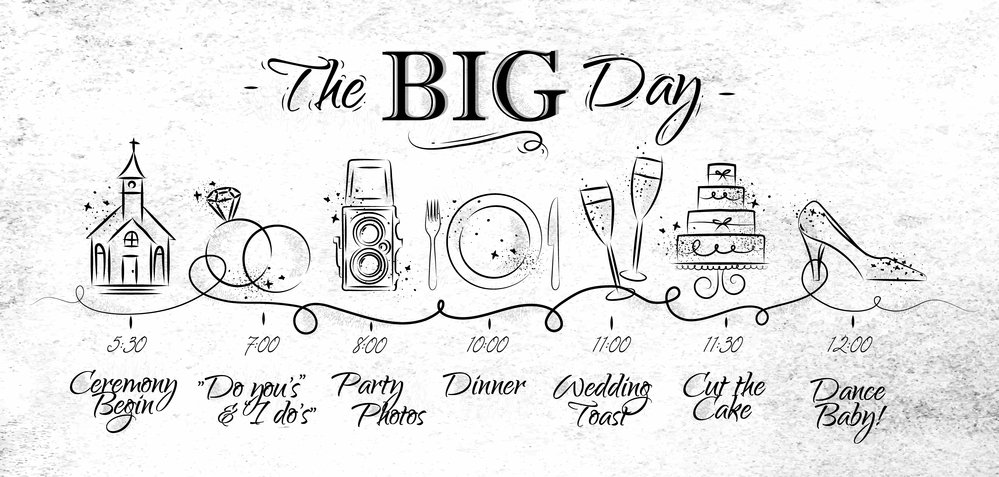

A wedding timeline is the invisible backbone of your big day—a guide that ensures every cherished moment unfolds in harmony. Yet, for many couples, creating this essential schedule becomes a source of chaos rather than calm. A poorly managed wedding timeline can lead to delays, stress, missed photographs, and even forgotten vows. Planning your perfect celebration requires balance, foresight, and realism. Understanding where others go wrong can help you stay on track and ensure your wedding day runs as beautifully as you envisioned.
Table of Contents
Toggle1. Ignoring the Importance of a Detailed Wedding Timeline
The first and most common mistake couples make is assuming a wedding timeline is optional. Without one, your wedding day can quickly spiral into confusion. Vendors may arrive at the wrong times, guests may wander without direction, and critical moments like the first look or family photos may get rushed. A wedding timeline isn’t about micromanagement—it’s about coordination. It serves as a communication tool among planners, photographers, florists, caterers, and even your wedding party.
A well-structured wedding timeline should include every major milestone: when hair and makeup begin, the photographer’s arrival, ceremony start and end times, cocktail hour duration, and the reception flow. Even buffer periods for transportation and unexpected delays are essential. Couples who treat this schedule as a flexible guide, rather than an afterthought, experience a more organized and enjoyable celebration.
2. Starting the Wedding Day Too Late
Many couples underestimate how long wedding preparation truly takes. Hair styling, makeup, dressing, and pre-ceremony photos often stretch longer than expected. Starting too late is one of the most stressful timeline errors and can lead to rushed ceremonies, skipped meals, and exhaustion before the reception even begins.
A realistic wedding timeline starts early—especially for morning or afternoon ceremonies. For example, hair and makeup should start at least five to six hours before the ceremony for larger bridal parties. Allowing this cushion time reduces anxiety and ensures everyone looks and feels their best without the pressure of the clock. Remember: no one regrets starting early, but everyone regrets running late.
3. Forgetting Transition and Travel Time
Even perfectly scheduled weddings can fall apart if travel time between venues isn’t included. Whether it’s moving from the hotel to the ceremony site or from the ceremony to the reception, these transitions often take longer than expected due to traffic, parking, or coordinating large groups.
A practical wedding timeline should clearly account for each transition, with at least 15–30 minutes of buffer time between locations. Consider the logistics for elderly guests, children, and anyone requiring special transportation. Overlooking these small but crucial details can derail your entire day.
Smart couples perform a “timeline walkthrough” one week before the wedding—physically mapping out how long it takes to get from place to place. This rehearsal ensures smoother transitions and allows for last-minute adjustments to the schedule.
4. Misjudging the Photography Schedule
Wedding photos capture the essence of your day, but they require time, light, and coordination. One of the most common wedding timeline mistakes is not allocating enough time for photography. Rushed photos lead to stiff poses, missed group shots, and diminished creativity from your photographer.
Professional photographers recommend at least one hour for couple portraits, 45 minutes for family photos, and 30 minutes for wedding party pictures. The best light—known as “golden hour”—occurs shortly before sunset, so your timeline should account for that magical window if outdoor photos are planned.
Discuss your photography priorities early. If certain moments—like the first look, sunset shots, or sparkler exits—are must-haves, your wedding timeline should revolve around them, not the other way around.
5. Skipping Breaks and Meal Times
In the excitement of the wedding day, couples often forget one of the most basic human needs: rest and nourishment. Skipping meals or breaks can lead to fatigue, irritability, or even fainting—especially during long ceremonies or photo sessions under the sun.
Your wedding timeline should include designated snack breaks and hydration moments for both you and your wedding party. It’s also wise to schedule at least 15 minutes of quiet time for just the couple—after the ceremony but before the reception—to breathe and reflect.
Remember, your guests feed off your energy. A relaxed, well-fed couple sets the tone for a joyful celebration, while exhaustion can cast a shadow over the entire event.
6. Overpacking the Wedding Timeline
Another emotionally draining error is cramming too many activities into one day. Overloading your wedding timeline with extra speeches, entertainment acts, or last-minute photo requests can create unnecessary stress and confusion.
A balanced schedule focuses on quality, not quantity. Leave space for organic moments—spontaneous dances, laughter, and connection. Build flexibility into your timeline by allowing short pauses between major transitions. Doing so gives vendors time to reset, guests time to mingle, and you the chance to truly enjoy your wedding.
Consulting a professional planner can help refine your schedule. Experts know how long each element realistically takes and can spot potential conflicts that inexperienced couples might miss.
7. Failing to Communicate the Wedding Timeline
Even the most perfect timeline is useless if no one knows about it. Failing to distribute your finalized wedding timeline to key participants—vendors, the wedding party, and close family—is a major oversight. Miscommunication can cause vendors to arrive late, DJs to miss cues, and guests to feel disoriented.
Once your wedding timeline is finalized, share it through email, a printed handout, or a shared Google document. Include contact details for the planner, coordinator, or a designated “point person” who can answer questions on the day. Delegation is essential—no couple should spend their wedding directing logistics.
Reconfirm times with vendors two to three days before the event. Clear communication transforms your wedding timeline from a static document into a living guide that unites everyone toward one seamless experience.
Conclusion: Turning Stress Into Structure
A thoughtful wedding timeline transforms chaos into celebration. By identifying and avoiding these seven stressful mistakes, couples can create a schedule that fosters calm, clarity, and joy. Begin planning your wedding timeline early, communicate openly, and always build in time for what matters most—each other.
Your wedding day should flow like music: each note distinct yet harmoniously connected. With foresight and preparation, your timeline becomes not a chain of obligations but a rhythm of love, laughter, and life’s most meaningful promises.
Reference
- The Knot. (2024). How to Create a Wedding Day Timeline
- Brides. (2024). Wedding Day Timeline Tips and Sample Schedules
- Martha Stewart Weddings. (2023). How to Build Your Wedding Timeline
- WeddingWire. (2024). Creating a Realistic Wedding Day Schedule
- Zola. (2023). Step-by-Step Guide to Your Wedding Day Schedule